
Comparing Event Lighting Options: Wireless Uplighting vs. Traditional Lighting
Understanding Event Lighting Options
When planning an event, lighting is a critical component that can dramatically impact the ambiance and overall experience. Two popular options for event lighting are wireless uplighting and traditional lighting. Each has its own set of advantages and considerations, making it essential to understand their differences.
What is Wireless Uplighting?
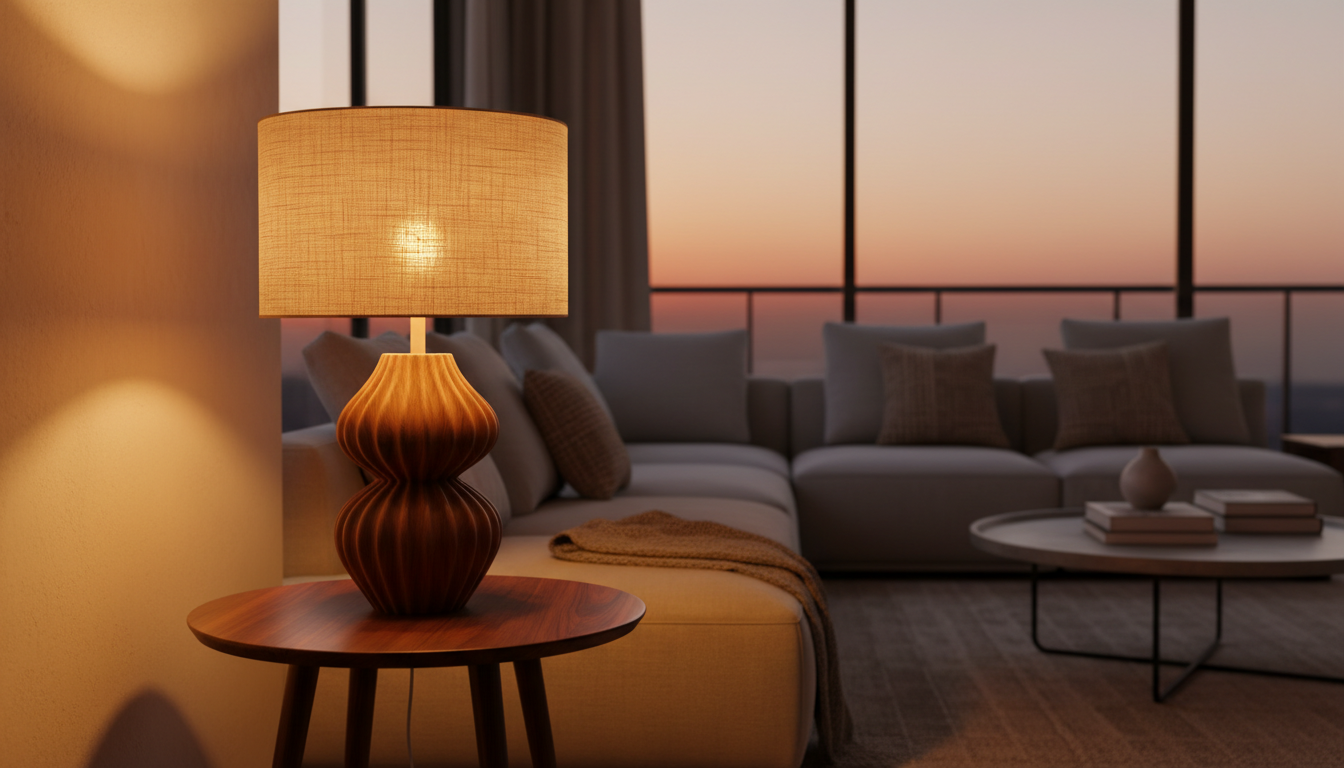
Wireless uplighting refers to a lighting technique where lights are placed on the ground and directed upwards. This method uses battery-powered LED lights, eliminating the need for cords and cables. The result is a clean, sleek appearance that can be easily adjusted to create various effects and atmospheres.
One of the main benefits of wireless uplighting is its flexibility. These lights can be placed almost anywhere without worrying about power sources, making them ideal for creating mood-enhancing effects in unconventional spaces.
Traditional Lighting Explained
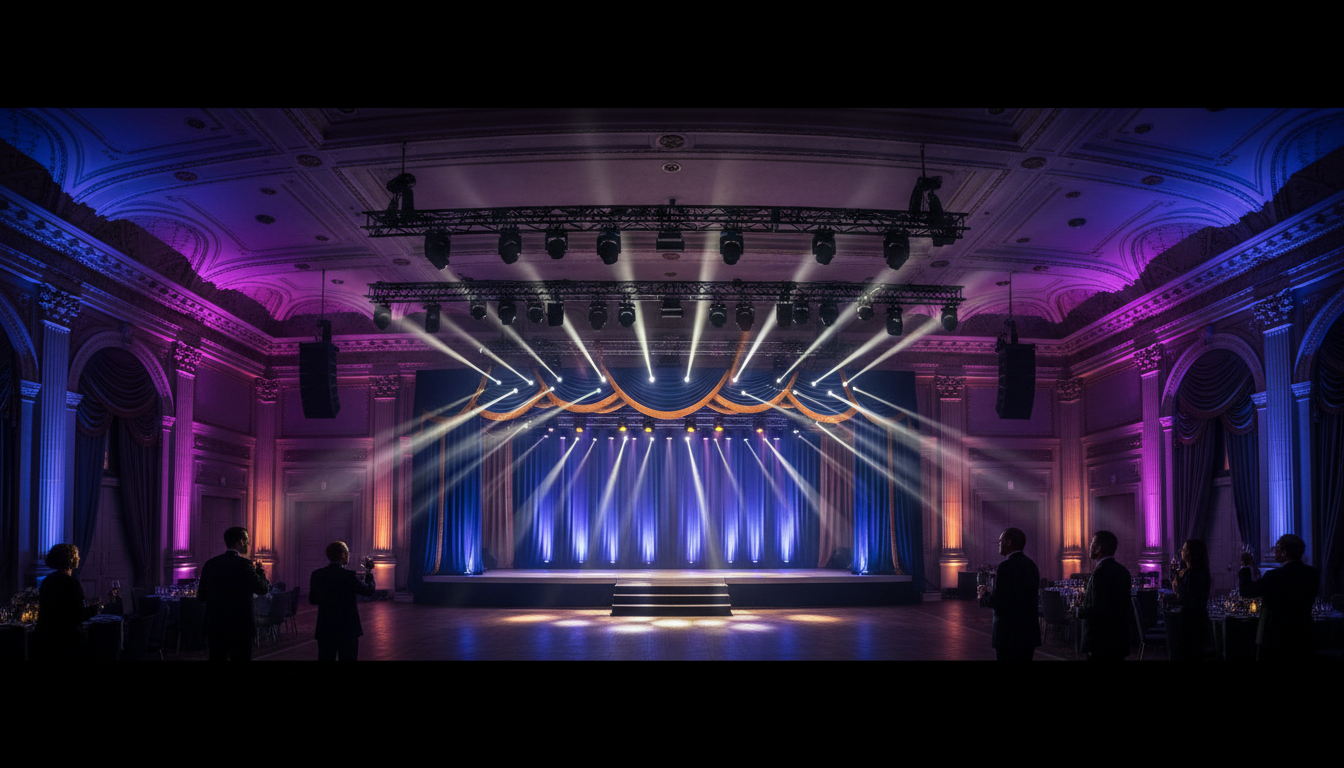
Traditional lighting typically involves wired fixtures that require a power source. These systems often consist of spotlights, floodlights, and other lighting equipment mounted on stands or trusses. While they may require more setup time and effort, traditional lighting can offer powerful illumination suitable for large venues.
Traditional lighting is often preferred for events requiring intense light coverage, such as concerts or outdoor gatherings. The robust nature of these lights makes them reliable for various weather conditions and extensive use.
Comparing Key Features
Setup and Portability
Wireless uplighting excels in portability and ease of setup. The absence of cables means these lights can be moved and adjusted with minimal effort. On the other hand, traditional lighting systems often require professional installation due to their complexity and the need for power sources.
- Wireless Uplighting: Quick setup, easy to reposition, no cables.
- Traditional Lighting: More complex setup, requires power sources, stable for long-term use.
Customization and Control
Both lighting options offer customization, but wireless uplighting provides more flexibility in terms of color and placement adjustments. Many wireless systems come with remote controls or apps, allowing for easy color changes and light intensity adjustments on the fly.
Traditional lighting, while powerful, often requires manual adjustments or professional technicians to change settings, which might limit on-the-spot creativity.
Cost Considerations
When it comes to cost, wireless uplighting might have a higher initial price due to the advanced technology and battery features. However, the savings on setup labor and the versatility of use can offset these costs. Traditional lighting might be less expensive upfront but can incur additional costs for setup, operation, and maintenance.
Ultimately, the choice between wireless uplighting and traditional lighting depends on the specific needs and constraints of your event. Both options offer unique benefits that can enhance the atmosphere and success of your gathering. Consider your venue, budget, and desired effect to make the most informed decision.